Gallery




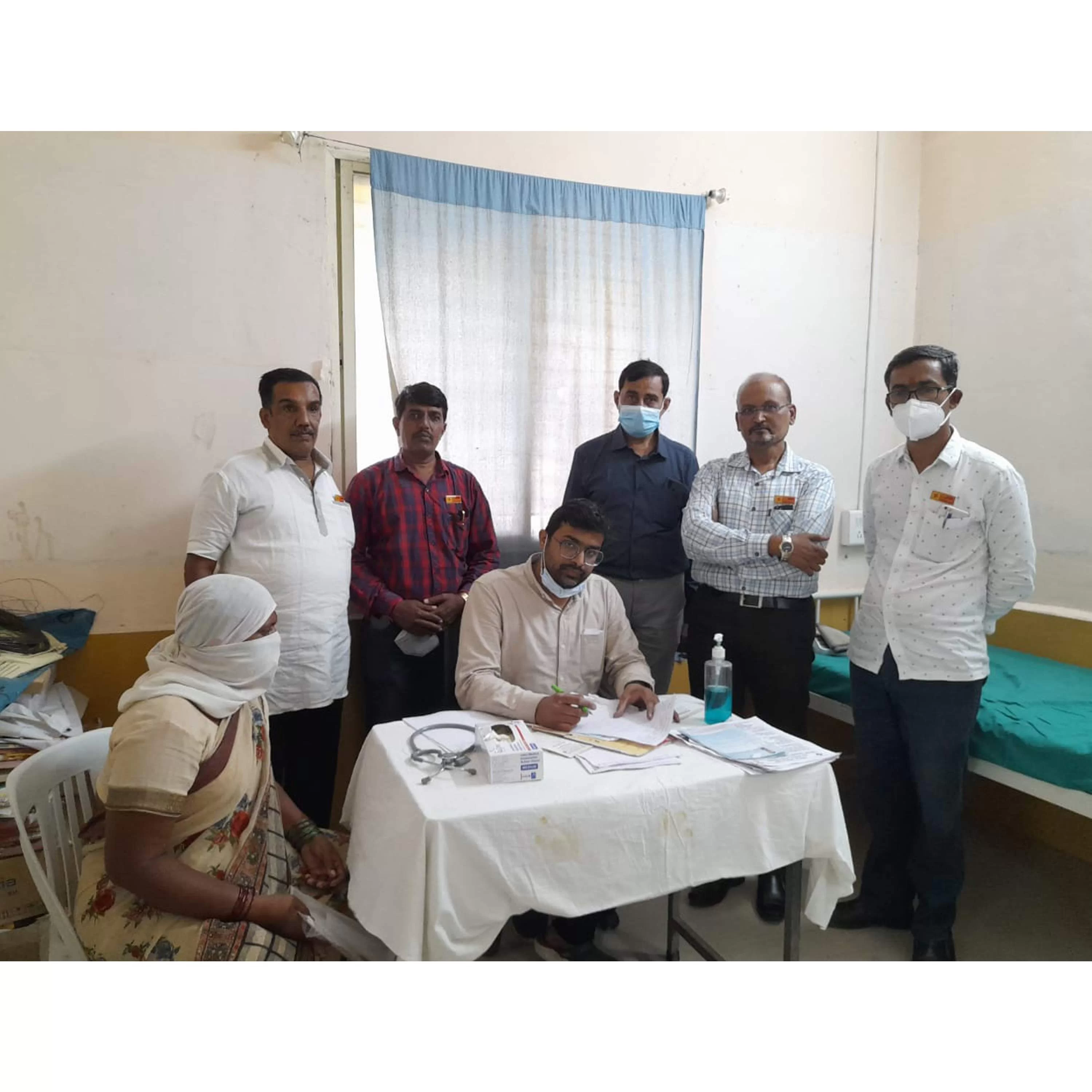

Supportive surgery includes surgical
procedures that assist or enhance other cancer treatments rather than directly treating the
cancer itself. These procedures play an important role in improving the effectiveness,
safety, and comfort of ongoing cancer therapies.
A common example of supportive surgery is the placement of a chemotherapy port (Chemoport),
a small medical device inserted under the skin to allow easy and repeated administration of
chemotherapy. Another example is the placement of a catheter to facilitate the delivery of
chemotherapy or other medications.
Although supportive surgery does not remove or cure cancer, it is similar to palliative
surgery in that it focuses on improving treatment delivery and patient comfort. By
supporting other cancer therapies, supportive surgery helps ensure smoother, more effective
treatment and better overall patient care.