Skin Infection
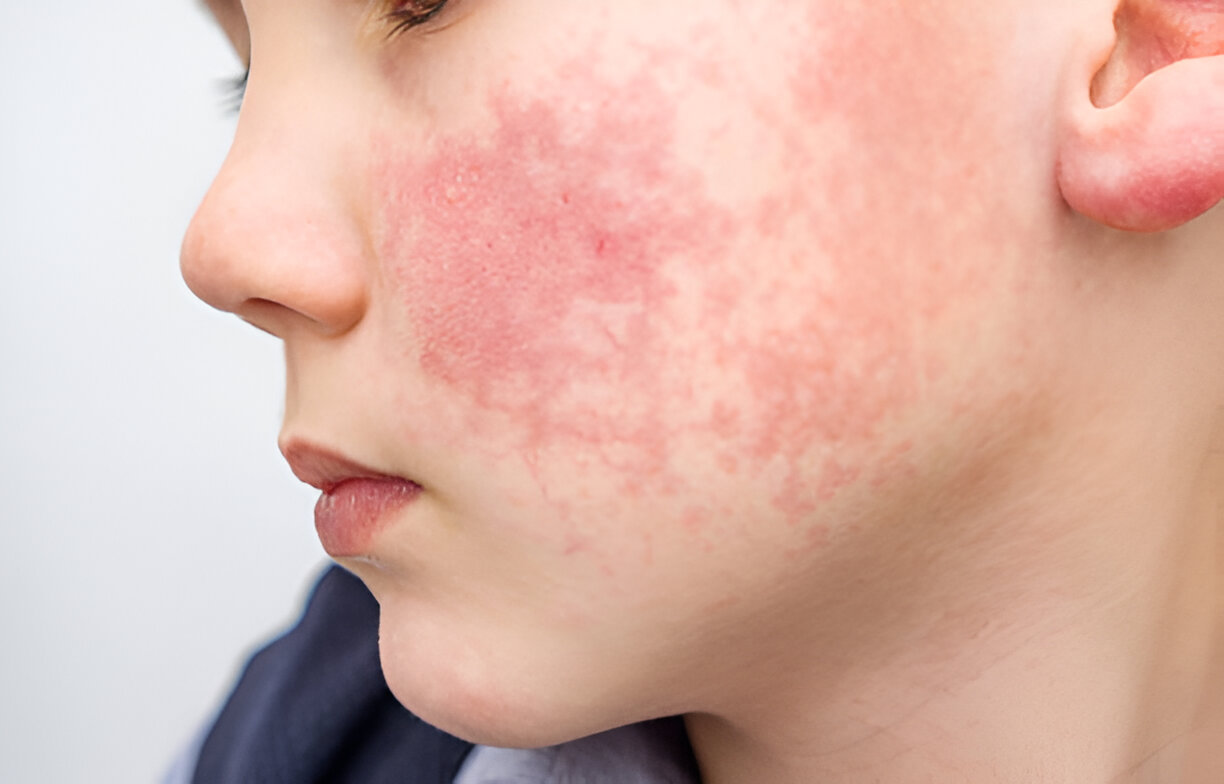
A skin infection occurs when harmful microorganisms, such as bacteria, viruses, or fungi, invade the skin and multiply. This can lead to inflammation, redness, swelling, and various other symptoms that may affect a person’s overall health and well-being. Skin infections can occur on any part of the body and may range from mild to severe, requiring different levels of medical intervention.
Skin infections can arise from various sources, including:
- Bacteria: Common bacteria, such as Staphylococcus aureus and Streptococcus, can cause infections like cellulitis and impetigo.
- Viruses: Viral infections, such as herpes simplex virus or the varicella-zoster virus, can lead to conditions like cold sores or chickenpox.
- Fungi: Fungal infections, such as athlete’s foot or ringworm, occur when fungi invade the skin.
- Injury: Breaks in the skin, such as cuts, scrapes, or surgical wounds, provide an entry point for pathogens.
- Poor Hygiene: Inadequate cleaning can lead to the accumulation of bacteria and other microorganisms on the skin.
- Weakened Immune System: Individuals with compromised immune systems are more susceptible to infections.
Symptoms of a skin infection can vary depending on the type and severity but commonly include:
- Redness and Swelling: Affected areas may appear inflamed and swollen.
- Pain or Tenderness: Skin may be painful to the touch.
- Warmth: Infected areas often feel warm compared to surrounding skin.
- Pus or Drainage: Formation of pus-filled blisters or abscesses may occur.
- Fever: Systemic infections can lead to fever and chills.
- Itching or Burning: Discomfort may manifest as itching or a burning sensation.
Addressing skin infections begins with an accurate diagnosis. A healthcare provider will evaluate the affected area, review medical history, and may conduct laboratory tests, such as cultures or biopsies, to identify the specific pathogen responsible for the infection.
Treatment approaches are tailored to the type of infection and may involve topical or oral medications, depending on the severity. Early intervention is crucial to prevent the infection from spreading or worsening.
At our clinic, we follow a comprehensive process for treating skin infections:
- Initial Consultation: We start with a thorough consultation to discuss your symptoms and medical history.
- Physical Examination: Our healthcare professionals conduct a detailed examination of the affected area to assess the infection’s severity.
- Diagnostic Testing: If necessary, we may perform lab tests to identify the causative organism and determine the best course of treatment.
- Customized Treatment Plan: Based on our findings, we develop a personalized treatment plan that may include antibiotics for bacterial infections, antiviral medications for viral infections, or antifungal treatments for fungal infections.
- Ongoing Monitoring: We schedule follow-up appointments to monitor your progress and make any necessary adjustments to your treatment plan.
- Patient Education: We provide guidance on preventing future infections, including proper hygiene practices and skincare routines.
Skin infections can range from mild annoyances to serious health issues. Thankfully, most are highly treatable with the right care. However, they can become more problematic if they penetrate deeper into the skin or spread across the body, particularly for those with weakened immune systems.
Who Is at Risk?
Certain factors increase the likelihood of skin infections and complications, including:
- Health Conditions: Chronic issues like HIV, diabetes, poor circulation, or malnutrition can elevate risk.
- Medications: Treatments like chemotherapy or certain biologics can weaken your immune response.
- Age: Both the very young and the elderly are more vulnerable.
- Skin Folds: Conditions like obesity can create areas prone to infections.
While over-the-counter treatments and home remedies can handle mild infections, more severe cases often require professional medical attention.
Symptoms of a Skin Infection
The signs of a skin infection vary depending on:
- Type of Infection: Bacterial, viral, fungal, or parasitic.
- Cause: Different pathogens can present differently.
- Individual Factors: Such as whether the person has a weakened immune system.
Common symptoms include:
- Redness: This may appear as pale red, or darker hues on darker skin tones.
- Lesions: These can be flat, raised, bumpy, or wart-like.
- Itching and Pain: Often associated with tenderness.
- Fever: In some cases, a systemic response may occur.
Severe infection signs:
- Pus: Fluid that may indicate a more serious infection.
- Blisters and Skin Breakdown: Serious complications where the skin may start to slough off.
- Dark Areas: Potential signs of necrosis or tissue death.
- Widespread Swelling and Pain: Indicative of a more extensive infection.
Is It an Infection or Something Else?
Determining whether a rash or skin issue is due to an infection or another disorder can be tricky. Consulting a healthcare provider for a proper diagnosis is essential.
Treating Acne
At Skinesse Clinic, we understand that acne treatment needs to be as unique as the individual. Acne can be managed effectively, from mild to severe, with the right approach. Early treatment is crucial to prevent scars and damage that can affect self-esteem.
Our Comprehensive Treatment Plan Includes:
- Lifestyle and Diet Advice: Tailored recommendations to support overall skin health.
- Skin Type Assessment: Understanding your skin’s needs for targeted treatment.
- Topical and/or Oral Medications: Based on the severity and type of acne.
- Customized In-Clinic Treatments: Specialized procedures to address your specific concerns.
Acne ResQ Treatment: Our signature Acne ResQ Treatment is designed to tackle acne with a multi-faceted approach. It includes:
- Deep Cleansing: Removes impurities from the pores.
- Reduction in Oil Production: Helps control and reduce excess oil.
- Bacteria Control: Targets and eliminates acne-causing bacteria.
- Improvement in Skin Texture: Smooths out rough skin and reduces dark spots.
- Prevention of Scarring: Minimizes the risk of permanent scars.
Advanced Treatments:
- Acne Clear Pore Treatment: Combines enzyme cleansing, comedone extractions, light therapy, and therapeutic masks. Suitable even for sensitive skin.
Skin Care Tips for Acne-Prone Skin
To support your acne treatment and keep your skin in top shape:
- Keep Your Face Clean: Use a mild cleanser to remove dirt and oil.
- Avoid Picking: Don’t touch or pick at pimples.
- Use Clean Towels: Wipe your face gently with a clean towel.
- Clean Pillowcases: Wash pillow covers regularly.
- Healthy Eating: Opt for fresh, healthy foods and limit oily and junk food. Reduce dairy intake.
- Sun Protection: Avoid direct sunlight and use non-oily sunscreen and protective clothing when outdoors.
- Non-Comedogenic Products: Choose skin care and makeup products labeled as “non-comedogenic” to prevent clogging pores.
- Follow Treatment Protocols: Stick to the treatment plan provided by your dermatologist.
- Avoid Sharing Medicines: Don’t use medications prescribed for others.