Skin diseases
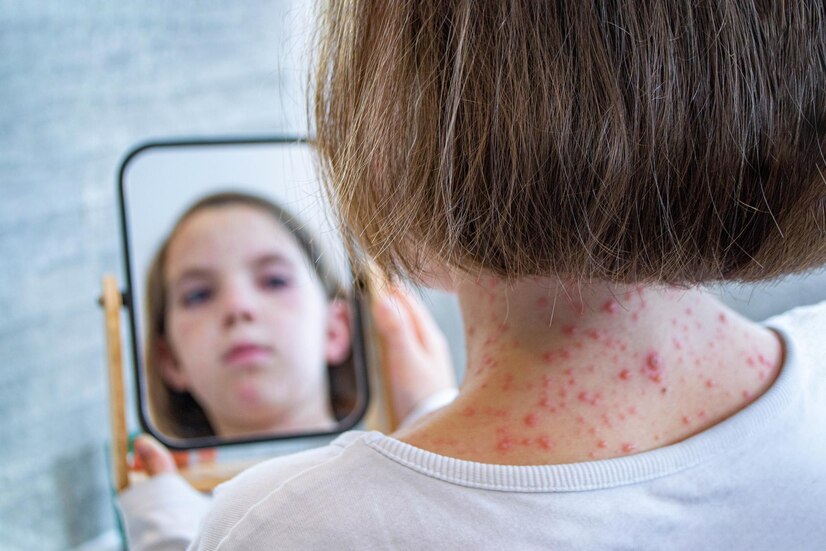
Skin diseases encompass a wide range of conditions that affect the skin’s integrity, appearance, and overall health. These can include infections, inflammatory diseases, and various disorders that manifest through changes in the skin’s color, texture, or function. Skin diseases can affect anyone, regardless of age, gender, or ethnicity, and can significantly impact quality of life.
Skin diseases can arise from various factors, including:
- Infections: Bacterial, viral, or fungal infections can lead to skin diseases such as impetigo, herpes, and athlete’s foot.
- Allergies: Allergic reactions to substances like pollen, certain foods, or skincare products can cause conditions like eczema or hives.
- Genetics: Some skin diseases, such as psoriasis or atopic dermatitis, have a hereditary component.
- Environmental Factors: Exposure to harsh weather conditions, pollutants, or chemicals can irritate the skin and lead to diseases.
- Immune System Disorders: Autoimmune conditions, where the immune system attacks healthy skin cells, can cause diseases like lupus or vitiligo.
- Hormonal Changes: Fluctuations in hormones can lead to skin issues such as acne during puberty or pregnancy.
Symptoms of skin diseases can vary widely depending on the condition but often include:
- Rashes: Red, inflamed patches of skin that may be itchy or painful.
- Lesions: Abnormal growths or sores on the skin, which can be benign or malignant.
- Peeling or Flaking: Loss of skin that can lead to dryness and irritation.
- Blisters: Fluid-filled sacs that can occur due to infections or allergies.
- Discoloration: Changes in skin color, which can appear as dark spots, redness, or pallor.
- Itching: A common symptom that can range from mild to severe.
Approaching skin diseases involves a comprehensive understanding of the condition and its underlying causes. The first step is a thorough evaluation by a qualified healthcare professional who will assess symptoms, medical history, and potential triggers. Diagnostic tests, such as skin biopsies or allergy tests, may be conducted to confirm the diagnosis.
Treatment plans are often tailored to the individual’s needs, considering factors such as the severity of the disease, the patient’s age, and any pre-existing health conditions.
At our clinic, we follow a structured process for treating skin diseases:
- Initial Consultation: We begin with a detailed consultation where we gather your medical history and discuss your symptoms.
- Comprehensive Examination: Our specialists perform a thorough physical examination and may recommend diagnostic tests to identify the specific skin disease.
- Personalized Treatment Plan: Based on the diagnosis, we create a personalized treatment plan that may include topical medications, oral medications, lifestyle modifications, or referrals to dermatologists if necessary.
- Follow-Up Care: Regular follow-up appointments allow us to monitor your progress and make any necessary adjustments to your treatment plan.
- Patient Education: We believe in empowering our patients with knowledge about their condition, including prevention strategies and skincare routines to maintain healthy skin.
Skin diseases, or dermatological conditions, cover a wide range of issues affecting your skin, the largest organ in your body. Here’s a simple guide to understanding them:
What Causes Skin Diseases?
Skin diseases can arise from many different sources:
- Infections: These can be bacterial, viral, or fungal. For example, athlete’s foot is a fungal infection, while herpes simplex is viral.
- Immune System Issues: Conditions like autoimmune diseases cause your immune system to attack your own skin cells.
- Genetics: Some skin conditions run in families.
- Allergies: Reactions to substances can cause skin problems.
- Environmental Factors: Exposure to the sun, chemicals, or other irritants can affect your skin.
- Systemic Diseases: Conditions affecting your overall health can also manifest as skin issues.
What Are the Symptoms?
Skin disease symptoms vary widely but might include:
- Redness and Itching: Common in conditions like eczema.
- Swelling and Rash: Often seen in allergic reactions or infections.
- Blisters and Dryness: Can occur with conditions like herpes or psoriasis.
- Scaling and Pain: May be present in psoriasis or fungal infections.
- Changes in Skin Color or Texture: Such as in vitiligo or skin cancer.
How Are Skin Diseases Diagnosed?
Diagnosing a skin condition usually starts with a physical exam by a healthcare professional. They might use:
- Skin Biopsy: To examine a small sample of skin under a microscope.
- Imaging Tests: To look at deeper skin layers.
- Laboratory Tests: Such as cultures for infections or blood tests for autoimmune diseases.
What Are the Treatment Options?
Treatment depends on the specific skin disease and its severity:
- Topical Medications: Creams or ointments applied directly to the skin.
- Oral Medications: Pills or liquids, like antibiotics or antifungals.
- Phototherapy: Using light to treat certain conditions.
- Lifestyle Changes: Such as avoiding triggers or irritants.
- Surgical Interventions: For more severe cases or certain types of skin cancer.
Common Skin Diseases
Some skin conditions you might have heard of include:
- Acne: Breakouts caused by clogged pores.
- Eczema (Atopic Dermatitis): A condition causing itchy, inflamed skin.
- Psoriasis: Characterized by red, scaly patches on the skin.
- Dermatitis: Inflammation from contact with irritants or allergens.
- Fungal Infections: Like athlete’s foot or ringworm.
- Viral Infections: Such as herpes simplex.
- Skin Cancer: Various types, including melanoma.
How to Prevent Skin Diseases
Preventive steps include:
- Good Skin Hygiene: Regular cleansing and moisturizing.
- Sun Protection: Using sunscreen and avoiding excessive sun exposure.
- Avoiding Allergens and Irritants: Knowing what triggers your skin issues.
- Managing Overall Health: Keeping chronic conditions in check.
When to Seek Help
If you notice any unusual changes in your skin or suspect you have a skin disease, it’s important to get professional advice. At Skinesse Clinic, we specialize in diagnosing and treating skin conditions and can help you find the right care and management strategies for your needs. Feel free to reach out if you need personalized advice or treatment options.