Keloids & Scars
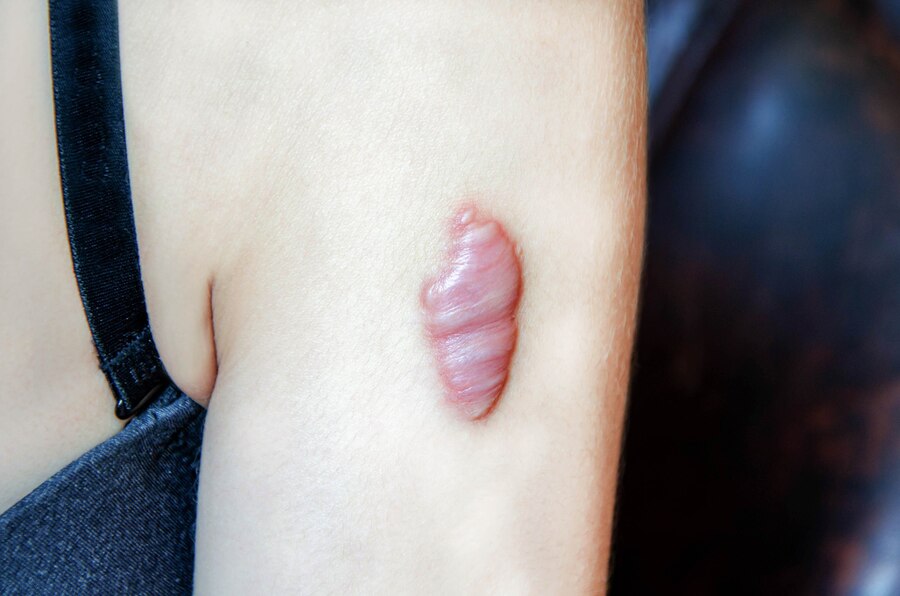
Keloids and scars are types of skin changes that occur after an injury, surgery, or other skin trauma. Scars are the body’s natural way of healing and repairing the skin, often resulting in areas that may differ in texture and color from the surrounding skin. Keloids, on the other hand, are a specific type of scar that grows beyond the boundaries of the original wound, becoming raised and thickened. Both conditions can affect individuals emotionally and physically, prompting many to seek treatment for improvement.
Causes of Scars:
- Injury or Trauma: Cuts, abrasions, burns, and other injuries can lead to scarring as the skin heals.
- Surgery: Surgical incisions often result in scars, which can vary in appearance depending on the technique used.
- Acne: Severe acne can lead to scars, particularly if lesions are picked at or not properly treated.
- Genetics: Some individuals are genetically predisposed to developing keloids, making them more likely to form after skin injuries.
- Skin Type: Darker skin tones are more prone to keloid formation.
- Injury: Keloids can develop from any type of skin trauma, including minor injuries, piercings, or surgical procedures.
Symptoms of Scars:
- Appearance: Scars may appear as flat, raised, or depressed areas on the skin.
- Color: They can vary in color from red or purple to white or light brown.
- Texture: Scars may feel smooth or rough and can differ in elasticity from the surrounding skin.
- Raised Appearance: Keloids are characterized by raised, thickened areas of skin that extend beyond the original wound site.
- Color: They may appear shiny and can range in color from pink to dark brown.
- Itching or Discomfort: Some individuals experience itching, tenderness, or pain in the keloid area.
Addressing keloids and scars requires a thorough understanding of their causes and characteristics. A healthcare professional will conduct a comprehensive evaluation of the affected areas, considering factors such as the scar’s age, type, and patient history. The approach may involve various treatment options tailored to the individual’s needs and preferences.
At our clinic, we offer a detailed process for treating keloids and scars:
- Initial Consultation: We start with a thorough discussion about your concerns and medical history to understand the extent of your keloids or scars.
- Skin Assessment: Our specialists conduct a comprehensive examination of the affected areas to evaluate the type, size, and condition of the scars or keloids.
- Personalized Treatment Plan: Based on the assessment, we create a customized treatment plan that may include:
- Topical Treatments: Silicone gels or sheets that can help flatten and soften scars.
- Injections: Corticosteroid injections can reduce inflammation and help flatten keloids.
- Laser Therapy: Non-invasive laser treatments that can improve the appearance and texture of scars and keloids.
- Surgical Removal: For larger keloids, surgical excision may be an option, often followed by other treatments to prevent recurrence.
- Ongoing Monitoring: We schedule follow-up appointments to monitor your progress and adjust your treatment plan as needed.
- Patient Education: We provide information on proper wound care and prevention strategies to minimize the risk of future scars or keloids.
Scars are a natural part of the body’s healing process. When the skin suffers deeper damage, like from a cut or injury, the healing process can leave behind a scar. Sometimes, the body produces more tissue than necessary, leading to raised or elevated scars. These can appear as thick, dark patches of skin.
Understanding Keloids and Scars
Keloids: These are a type of raised scar that extends beyond the edges of the original wound. They grow due to excessive and uncontrolled tissue formation and can become large and fleshy. Keloids often have a genetic component, meaning if someone in your family tends to develop keloids, you might be more likely to get them as well.
Hypertrophic Scars: Similar to keloids, hypertrophic scars are raised, but they stay within the boundaries of the original injury. They are often less severe than keloids and can be treated with various methods.
Treating Keloids
Treating keloids effectively involves a range of approaches tailored to the scar’s location, size, and the patient’s individual needs. At Skinesse Clinic, we use several methods to manage and reduce keloids:
Intralesional Therapy: This is a primary treatment for keloids. We inject a combination of anti-inflammatory and anti-proliferative medications directly into the keloid. This helps to flatten the scar quickly and reduce its appearance.
Silicone Creams: These gels or creams, applied regularly, help prevent keloids from recurring and can be used alongside other treatments.
Silicone Gel Sheets: These sheets keep the scar hydrated and help regulate collagen production, which can flatten and soften raised scars. For best results, silicone gel sheets should be worn for 12 hours a day, and you may start seeing improvements within 6-8 weeks.
Light Therapy: Pulsed light therapy can be effective in the early stages of keloid formation. It works by reducing blood supply and inflammation in the keloid.
Fractional Laser: This laser treatment improves the texture and color of both keloid and hypertrophic scars, helping them blend more naturally with the surrounding skin.
Neuropeptides: Injecting neuropeptides into the keloid site can help relax the muscles and reduce tension, which is an important factor in keloid formation.
Other Scars We Treat
At Skinesse Clinic, we also specialize in treating various other types of scars, including:
- Chickenpox Scars
- Traumatic Scars
- Burn Scars
- Post-Surgery Scars