
Graying of Hair
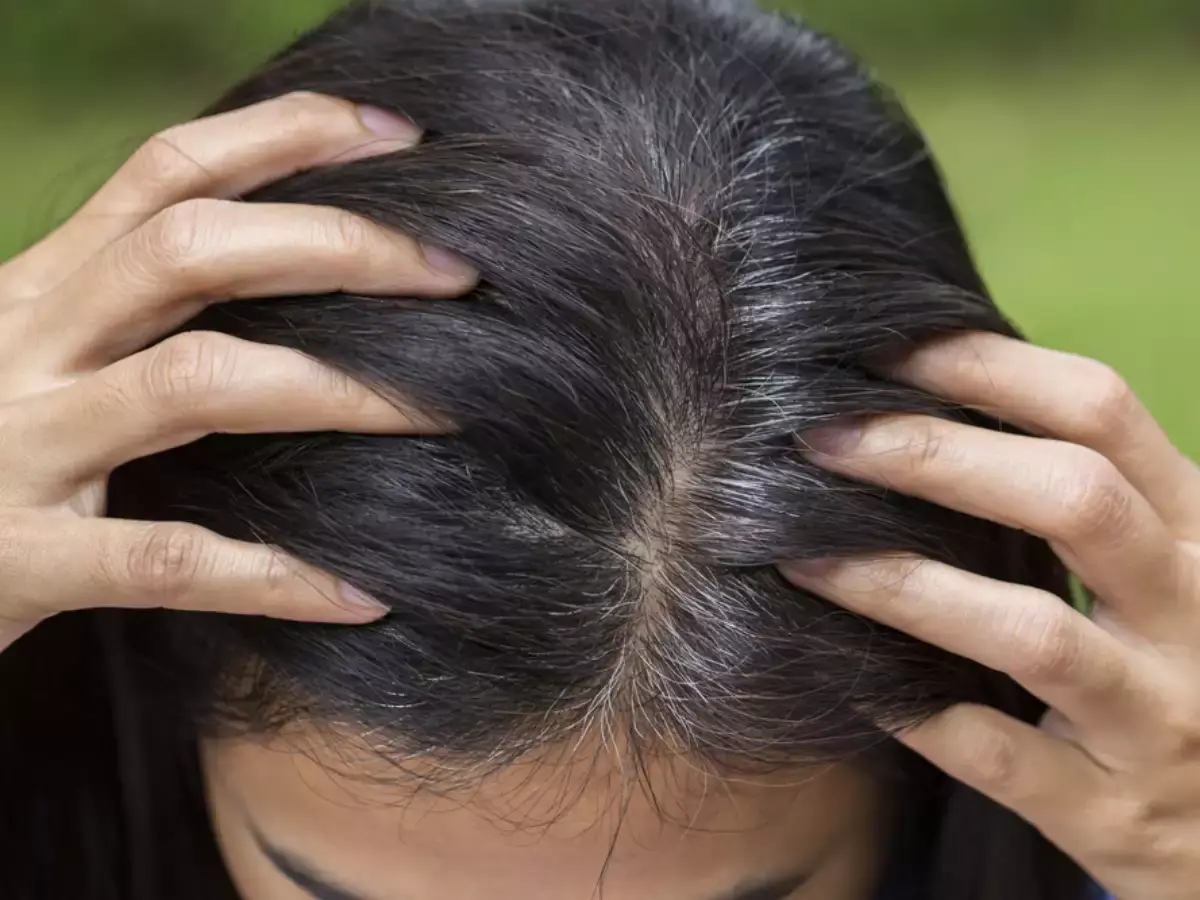
What is Graying of Hair?
Graying of hair is a natural part of aging that occurs when the pigment cells in the hair follicles gradually stop producing melanin, the substance responsible for hair color. As a result, hair begins to lose its natural color, turning gray, silver, or white. Although commonly associated with aging, premature graying can occur in individuals as early as their 20s and 30s due to various factors.
Graying of hair is a natural part of aging that occurs when the pigment cells in the hair follicles gradually stop producing melanin, the substance responsible for hair color. As a result, hair begins to lose its natural color, turning gray, silver, or white. Although commonly associated with aging, premature graying can occur in individuals as early as their 20s and 30s due to various factors.
The Causes of Graying of Hair
- Aging: As people grow older, the production of melanin slows down, leading to the natural graying process.
- Genetics: Family history plays a significant role in determining when graying will begin. If your parents experienced early graying, you are more likely to have the same.
- Stress: Prolonged emotional or physical stress can accelerate graying by impacting the health of hair follicles.
- Nutritional Deficiencies: Lack of essential nutrients like vitamin B12, iron, and copper can contribute to premature graying.
- Medical Conditions: Certain autoimmune and thyroid conditions, such as vitiligo and hypothyroidism, are linked to premature graying.
- Lifestyle Factors: Smoking, excessive sun exposure, and environmental pollutants can contribute to hair graying by damaging hair cells.
- Oxidative Stress: An imbalance of free radicals in the body can damage cells, including those responsible for melanin production, resulting in graying hair.
The Symptoms of Graying of Hair
- Gradual appearance of gray, white, or silver strands, typically starting around the temples.
- Hair may become drier or coarser over time due to reduced melanin production.
- Some individuals experience premature graying before the age of 30, often linked to genetics or underlying health issues.
The Approach to Graying of Hair
Managing graying hair involves a combination of prevention, treatment, and care. While the process of graying cannot be completely reversed, certain steps can help delay the onset or manage the appearance of gray hair:
Managing graying hair involves a combination of prevention, treatment, and care. While the process of graying cannot be completely reversed, certain steps can help delay the onset or manage the appearance of gray hair:
- Nutritional Support: Ensuring a balanced diet rich in vitamins and minerals can support overall hair health.
- Hair Care Routine: Use of gentle hair care products and conditioning treatments to maintain moisture and manage texture.
- Stress Management: Adopting stress-reduction techniques like meditation and exercise can help prevent stress-induced hair graying.
- Cosmetic Solutions: Coloring and highlighting treatments can be used to blend or cover gray hair effectively.
- Medical Treatments: For some, addressing underlying health conditions may help slow the graying process.
Our Process for Graying of Hair Treatment
At our clinic, we take a personalized approach to managing and treating graying hair, ensuring our clients receive tailored care based on their individual needs.
At our clinic, we take a personalized approach to managing and treating graying hair, ensuring our clients receive tailored care based on their individual needs.
- Consultation: We begin with a thorough consultation to understand your hair history, lifestyle, and any medical conditions that may be contributing to graying.
- Hair and Scalp Analysis: Using advanced diagnostic tools, we assess the health of your hair and scalp to determine the best course of treatment.
- Nutritional and Lifestyle Recommendations: Our experts will provide guidance on maintaining a nutrient-rich diet and suggest lifestyle changes to support hair health.
- Customized Hair Care Plan: We design a hair care regimen that includes gentle shampoos, conditioners, and treatments specifically formulated to nourish graying hair.
- Advanced Treatment Options: If appropriate, we offer advanced treatments such as PRP (Platelet-Rich Plasma) therapy or laser therapy, which may help stimulate hair growth and improve hair texture.
- Follow-up and Maintenance: We believe in long-term care, so regular follow-up appointments are scheduled to monitor progress and make adjustments to the treatment plan as needed.
Understanding and Managing Premature Graying of Hair
Graying hair, or Canities, is a normal part of growing older. As we age, our hair naturally loses its color because melanin production slows down at the roots. But when graying starts at a younger age, it’s called premature graying. This phenomenon seems to be more common nowadays. So, why does it happen, and what can you do about it?
Causes of Premature Graying
Several factors can contribute to premature graying:
- Genetics: If early graying runs in your family, you might have inherited the gene that causes it.
- Nutrient Deficiencies: Missing out on important nutrients like iron, vitamin B5, vitamin B12, copper, and zinc can play a role in early graying.
- Hormonal Imbalances: Conditions like hypothyroidism can disrupt normal hair pigmentation.
- Hard Water: Water with high mineral content might affect hair health over time.
- Stress: High stress levels are linked to accelerated graying.
- Smoking: Smoking can contribute to premature aging, including the graying of hair.
How to Manage Early Graying
At Skinesse Clinic, we take a thorough approach to managing premature graying. Here’s how we help:
- Assessment: We start by examining your lifestyle, dietary habits, and medical history. If needed, we might suggest blood tests to uncover any underlying issues.
- Targeted Treatment: Based on what we find, we address specific causes. This could mean correcting nutrient deficiencies or managing hormonal imbalances.
- Nutrient Supplements: We may recommend special supplements to support hair health and potentially slow down the graying process.
- Lifestyle Adjustments: Simple changes, like improving your diet, managing stress, and avoiding smoking, can make a big difference in slowing the progression of graying.