Advanced Peeling Treatments
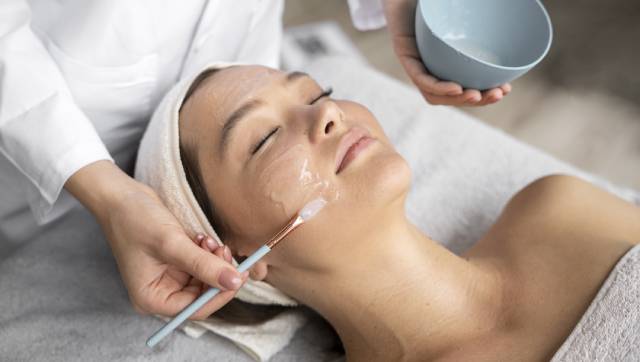
Peeling treatment, often referred to as chemical peeling, is a cosmetic procedure designed to improve the appearance of the skin by exfoliating the outer layers. This treatment involves the application of a chemical solution to the skin, which causes the top layers to slough off, revealing a smoother, healthier layer beneath. Peeling treatments can address various skin concerns, including fine lines, sun damage, acne scars, uneven skin tone, and rough texture, making it a popular choice for those seeking rejuvenated skin.
Peeling treatments can be caused by a variety of factors that contribute to skin imperfections, including:
- Sun Damage: Prolonged exposure to UV rays can lead to pigmentation issues, rough texture, and premature aging.
- Acne Scarring: Active acne and post-inflammatory hyperpigmentation can leave scars and uneven skin texture that chemical peels can effectively reduce.
- Aging: As skin ages, it can become dull, uneven, and less elastic, necessitating treatments to promote renewal.
- Environmental Factors: Pollution, stress, and lifestyle choices can impact skin health, leading to the need for rejuvenation.
- Dull Skin: Lack of radiance and vitality can make skin appear older and tired.
- Uneven Texture: Rough patches or uneven areas can detract from overall skin smoothness.
- Fine Lines and Wrinkles: Signs of aging can be visibly reduced through effective peeling treatments.
- Hyperpigmentation: Dark spots and discoloration can be minimized, leading to a more uniform complexion.
The approach to peeling treatments involves assessing individual skin needs and selecting the appropriate type of peel based on the skin’s condition. There are three primary types of chemical peels:
- Superficial Peels: These are mild peels that target the outermost layer of skin and are ideal for treating mild discoloration and dryness.
- Medium Peels: These penetrate deeper, addressing issues like acne scars and sun damage while providing more significant results.
- Deep Peels: These are used for more severe skin concerns, such as deep wrinkles and significant sun damage, requiring longer recovery times but yielding dramatic results.
- Initial Consultation: We begin with a comprehensive consultation to assess your skin type, concerns, and desired outcomes. This helps us determine the best peeling treatment for you.
- Skin Preparation: Depending on the type of peel selected, your skin may be prepped with specific products to enhance treatment efficacy and minimize side effects.
- Application of the Peel: The chosen chemical solution is applied to the skin. During this process, you may experience a tingling or warm sensation, which is normal and temporary.
- Monitoring: We closely monitor your skin’s reaction during the treatment, ensuring your comfort and safety throughout the process.
- Post-Treatment Care: After the peel is removed, we provide detailed aftercare instructions, which may include avoiding sun exposure and using gentle skincare products to promote healing.
- Follow-Up Appointments: For optimal results, multiple sessions may be recommended based on your skin type and goals. We will schedule follow-up appointments to track your progress and make any necessary adjustments to your treatment plan.
Advanced Peeling Treatments: Reveal Your Skin’s True Radiance
Peeling treatments are among the most popular skincare procedures due to their effectiveness, safety for all skin types, and affordability. They offer a range of benefits and can address various skin concerns with minimal downtime.
What is Peeling Treatment?
Peeling treatments involve applying specially formulated exfoliating solutions to the skin. These solutions gently remove the outer layer of dead skin cells, revealing a fresher, more youthful layer underneath. Advanced peels also penetrate deeper into the skin, stimulating collagen production and tightening the skin for a smoother, more even appearance.
At Skinesse Clinic, our dermatologists use a range of high-quality peeling agents tailored to your specific skin needs. Our goal is to enhance your skin’s texture and radiance while addressing your unique concerns.
Types of Peels We Use
We offer a variety of peels, each designed to target different skin issues:
- Glycolic Peels: Great for exfoliating and brightening dull skin.
- Lactic Peels: Ideal for hydrating and smoothing rough skin.
- Salicylic Peels: Effective for treating acne and reducing oiliness.
- Mandelic Peels: Suitable for sensitive skin and uneven pigmentation.
- Citric Peels: Known for their antioxidant benefits and brightening effects.
- Phytic Peels: Useful for overall skin rejuvenation and texture improvement.
Our advanced peels include premium options like Cosmelan and Dermamelan, which offer outstanding results for skin concerns such as acne, pigmentation, and dullness.
What Skin Concerns Can Peels Address?
Peeling treatments can help with a variety of skin issues, including:
- Acne: Reduces breakouts and improves skin texture.
- Acne Marks: Fades post-acne discoloration.
- Tanning: Lightens sun-induced pigmentation.
- Uneven & Dull Skin: Brightens and evens out skin tone.
- Skin Pigmentation: Targets dark spots and uneven pigmentation.
- Under Eye Dark Circles: Helps to lighten and rejuvenate the under-eye area.
- Fine Lines & Wrinkles: Smooths out fine lines and stimulates collagen production.
Post-Treatment Care
Proper aftercare is crucial to achieving the best results from your peeling treatment. Here’s what you need to do:
- Sunscreen: Apply a broad-spectrum sunscreen with at least SPF 30 daily, even before your treatment and continue afterward. This protects your new skin and enhances results.
- Gentle Skincare: Follow the home care regimen prescribed by our dermatologists. This will support healing and ensure you get the most out of your treatment.