
Hair Fall
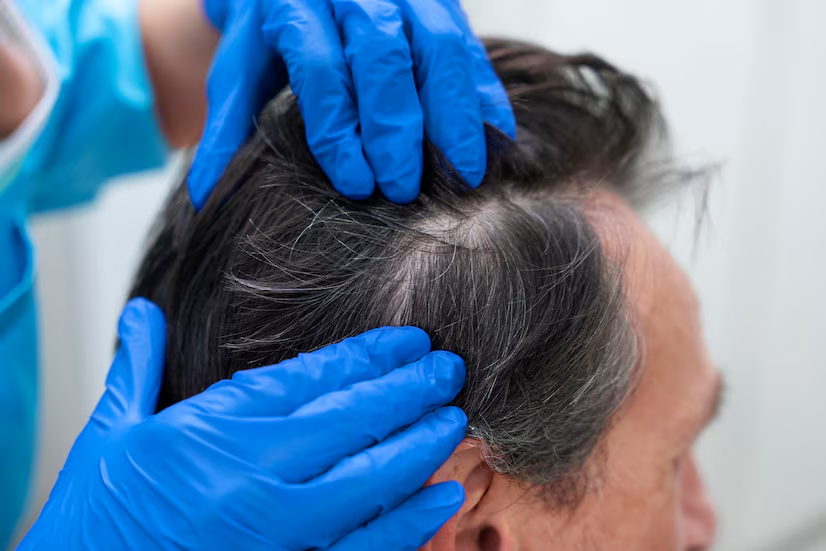
Hair fall, also known as hair loss or alopecia, refers to the shedding of hair from the scalp or other parts of the body. While it is normal to lose a certain amount of hair daily, excessive hair fall can lead to thinning hair or bald patches, impacting self-esteem and overall appearance. Hair fall can affect anyone, regardless of age or gender, and can occur in various forms, including gradual thinning or sudden loss.
Hair fall can be attributed to a wide range of factors, including:
- Genetics: Hereditary conditions, such as male or female pattern baldness, are the most common causes of hair loss.
- Hormonal Changes: Fluctuations in hormones due to pregnancy, childbirth, menopause, or thyroid disorders can lead to hair fall.
- Nutritional Deficiencies: Lack of essential nutrients, such as iron, vitamin D, or protein, can weaken hair and lead to loss.
- Stress: Physical or emotional stress can trigger temporary hair loss, known as telogen effluvium.
- Medical Conditions: Conditions like alopecia areata, scalp infections, and autoimmune diseases can cause hair fall.
- Hair Treatments: Excessive use of heat styling tools, chemical treatments, or tight hairstyles can damage hair and lead to breakage and loss.
Symptoms of hair fall can vary in presentation but commonly include:
- Thinning Hair: Noticeable reduction in hair density, especially on the crown or temples.
- Bald Patches: Circular or irregular patches of hair loss on the scalp or body.
- Excessive Shedding: Increased hair strands on pillows, in the shower, or during brushing.
- Change in Hair Texture: Hair may become brittle, dry, or coarse, making it more prone to breakage.
Addressing hair fall involves a thorough evaluation to identify underlying causes. A consultation with a qualified healthcare professional is essential for determining the appropriate treatment options. The approach may include lifestyle modifications, medical interventions, and personalized care.
At our clinic, we follow a comprehensive process for treating hair fall:
- Initial Consultation: We start with a detailed discussion about your hair fall concerns, medical history, and any relevant lifestyle factors.
- Scalp and Hair Assessment: Our specialists conduct a thorough examination of your scalp and hair to evaluate the extent and type of hair loss.
- Diagnostic Testing: If necessary, we may recommend blood tests or scalp biopsies to identify underlying conditions or deficiencies.
- Personalized Treatment Plan: Based on our findings, we develop a customized treatment plan that may include:
- Topical Treatments: Minoxidil or other formulations to stimulate hair growth.
- Oral Medications: Finasteride or other prescriptions that target hormonal imbalances.
- Nutritional Guidance: Recommendations for dietary changes or supplements to address deficiencies.
- Hair Restoration Procedures: Options such as PRP (platelet-rich plasma) therapy or hair transplant surgery for advanced cases.
- Ongoing Monitoring: We schedule follow-up appointments to monitor your progress and make any necessary adjustments to your treatment plan.
- Patient Education: We provide guidance on hair care practices, stress management, and lifestyle changes to support hair health.
Understanding Hair Fall
Hair growth is a bit like a well-coordinated dance, moving through different stages:
Anagen (Growth Phase): This is when your hair is actively growing. On average, your scalp hair grows about 1 to 1.25 centimeters per month. This rate can be influenced by genetics, age, and hormones.
Catagen (Transition Phase): At the end of the growth phase, your hair moves into the catagen phase. Here, it stops growing and becomes a club hair, meaning it’s essentially on vacation.
Telogen (Resting and Shedding Phase): In this phase, the hair is ready to fall out. It’s resting while new hair grows underneath, eventually pushing the old hair out.
What to Do About Hair Fall
Experiencing hair loss can be frustrating, but there’s hope! Here’s a step-by-step guide to addressing it:
Find the Cause: The first thing we need to do is figure out why your hair is falling out. This often involves blood tests to check for things like nutritional deficiencies or hormonal imbalances.
Treatment Plan:
- Nutritional Supplements: If we find deficiencies, supplements can help to fill in the gaps and support hair health.
- Nourishing Serums: We use specialized serums to help stimulate hair growth and improve scalp health.
- Review Medications: Sometimes, medications can contribute to hair loss. If this is the case, we’ll review your current meds and see if adjustments are needed.
- Hair Care Practices: Gentle hair care is crucial. We’ll guide you on how to avoid harsh treatments and take better care of your hair.
- Lifestyle and Diet: A healthy lifestyle and balanced diet can significantly impact your hair’s health. We’ll provide tips to help you improve these areas.
Low-Level Laser Therapy (LLLT): This is a safe and effective treatment that uses low-level lasers to boost blood flow to your hair follicles, encouraging new hair growth.
Getting Started
If you’re noticing more hair falling out than usual, don’t wait to get help. Addressing hair loss early can make a big difference. Reach out to us at Skinesse Clinic, and let’s work together to find the best treatment plan for you. We’re here to support you on your journey to healthier hair.