
Skin Pigmentation
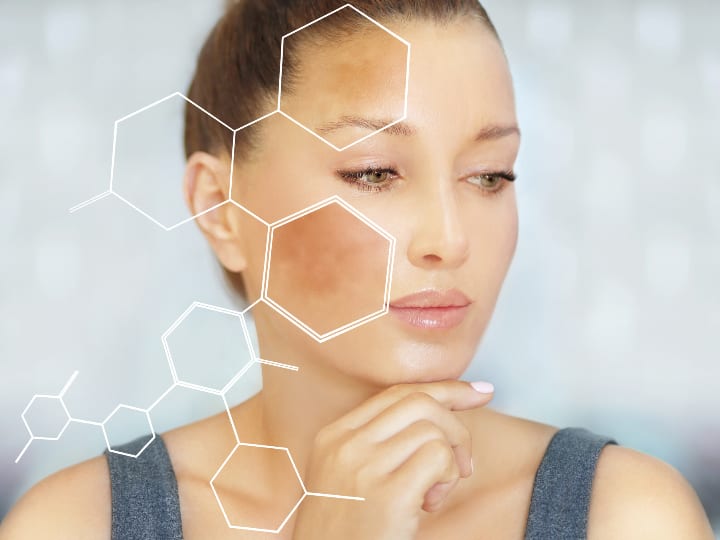
Skin pigmentation refers to the color of the skin, which is primarily determined by melanin, a pigment produced by specialized skin cells called melanocytes. Variations in pigmentation can lead to different skin tones, but abnormal changes can also occur, resulting in conditions such as hyperpigmentation (excessive melanin production) or hypopigmentation (reduced melanin production). These changes can affect the appearance of the skin and may lead to concerns regarding aesthetics and skin health.
Several factors can contribute to changes in skin pigmentation, including:
- Sun Exposure: Prolonged exposure to ultraviolet (UV) rays can lead to increased melanin production, resulting in sunspots or tanning.
- Hormonal Changes: Conditions such as pregnancy or the use of hormonal medications can cause fluctuations in melanin levels, leading to melasma or chloasma.
- Skin Inflammation: Injuries, acne, or conditions like eczema can cause post-inflammatory hyperpigmentation, where dark spots remain after the skin heals.
- Genetics: Genetic predisposition plays a significant role in skin pigmentation; some individuals may be more prone to certain pigmentation disorders.
- Medical Conditions: Certain diseases, such as Addison’s disease or vitiligo, can lead to changes in skin pigmentation.
- Age: As skin ages, it can develop age spots or liver spots, which are areas of hyperpigmentation.
Symptoms of skin pigmentation disorders can vary depending on the type and underlying cause, but common signs include:
- Dark Spots: Areas of increased pigmentation that may appear on the face, hands, or other sun-exposed areas.
- Lightened Areas: Patches of skin that are lighter than the surrounding skin, indicative of hypopigmentation.
- Uneven Skin Tone: A mottled or blotchy appearance that can affect overall complexion.
- Changes Over Time: Variations in pigmentation can develop gradually or suddenly, depending on the cause.
Addressing skin pigmentation issues involves understanding the specific condition and its underlying causes. A thorough evaluation by a qualified healthcare professional is essential for determining the best treatment approach. The goal is to restore an even skin tone while addressing any underlying issues.
Our Process for Skin Pigmentation Treatment
At our clinic, we follow a comprehensive process for treating skin pigmentation:
- Initial Consultation: We begin with a detailed discussion about your concerns, medical history, and the specific pigmentation issues you are experiencing.
- Skin Assessment: Our specialists conduct a thorough examination of your skin to evaluate the type, severity, and distribution of pigmentation changes.
- Personalized Treatment Plan: Based on the assessment, we develop a customized treatment plan that may include:
- Topical Treatments: Creams and serums containing ingredients like AHA, BHA, retinoids, or vitamin C to lighten hyperpigmented areas.
- Chemical Peels: Exfoliating treatments that help remove dead skin cells and promote a more even skin tone.
- Laser Therapy: Non-invasive procedures that target and break down excess melanin, reducing dark spots.
- Microdermabrasion: A technique that gently exfoliates the skin to improve texture and tone.
- Ongoing Monitoring: We schedule follow-up appointments to monitor your progress and make adjustments to your treatment plan as necessary.
- Patient Education: We provide guidance on sun protection, skincare routines, and lifestyle modifications to help maintain results and prevent further pigmentation issues.
Understanding Skin Pigmentation
Our skin’s color comes from a pigment called melanin, which is produced by cells known as melanocytes. When these cells produce too much melanin, the skin can darken. This is why we get a tan after spending time in the sun. However, pigmentation issues can arise from various causes such as hormonal changes, pregnancy, and vitamin deficiencies.
Common Pigmentation Problems
Melasma: Often called “the mask of pregnancy,” melasma results in dark patches on the face, usually triggered by hormonal changes. It’s more common in women, especially during pregnancy or menopause, but can also affect men who are exposed to the sun frequently. Melasma can be distressing due to its visibility.
Tanning (Photomelanosis): Tanning occurs when the skin darkens due to sun exposure. While a tan is often temporary, it can sometimes become persistent or delayed.
Freckles: These small, pigmented spots typically appear on fair-skinned individuals and are primarily influenced by genetics and sun exposure.
Acanthosis Nigricans: This condition is characterized by velvety, thickened, and darkened skin, often found on the neck, armpits, around the eyes, and sometimes on the hands. It’s commonly associated with weight gain, a sedentary lifestyle, and hormonal changes.
Undereye Dark Circles: Dark circles under the eyes can be particularly bothersome.
Treatment Options
If pigmentation issues like dark circles are affecting you, Eternis Clinic offers several effective treatments to help improve your skin’s appearance. Our dermatologists will first evaluate your condition and create a personalized treatment plan based on the severity and your skin type.
For Dark Circles:
Nutritional Supplements: These can help address underlying deficiencies contributing to pigmentation.
Undereye Lightening Creams or Serums: Specially formulated products can help brighten the skin and reduce dark circles.
Undereye Lightening Treatments: These procedures use gentle peeling solutions designed for the delicate skin around the eyes. They not only lighten dark circles but also improve skin texture and reduce wrinkles. This treatment is effective and requires no downtime.
Micro-Needling: This technique stimulates deeper layers of the skin, improving wrinkles and tightening the skin around the eyes.
Lasers: Laser treatments target excess pigment and can also reduce wrinkling around the eyes.