Stretch Marks
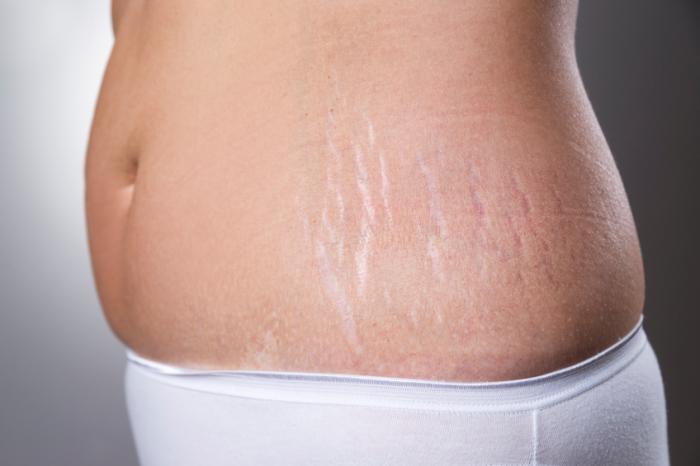
Stretch marks, clinically known as striae, are visible lines on the skin that occur when the skin is rapidly stretched. They typically appear as thin, streaky lines that may be red, purple, or white, depending on their age and the individual’s skin tone. While they are common and generally harmless, many people seek treatment to improve their appearance, especially in areas such as the abdomen, thighs, hips, and breasts.
Stretch marks can arise from various factors, including:
- Pregnancy: Rapid skin expansion during pregnancy, especially in the third trimester, is a primary cause of stretch marks.
- Puberty: Growth spurts during adolescence can stretch the skin quickly, leading to the formation of marks.
- Weight Fluctuations: Significant weight gain or loss can stretch the skin, resulting in stretch marks as it adjusts to new body shapes.
- Hormonal Changes: Increased levels of hormones, particularly cortisol, can reduce skin elasticity, making it more susceptible to stretching.
- Genetic Predisposition: A family history of stretch marks may increase an individual’s likelihood of developing them.
- Certain Medical Conditions: Conditions like Cushing’s syndrome or Marfan syndrome can contribute to the formation of stretch marks.
The primary symptom of stretch marks is their appearance on the skin. These lines can vary in color and texture, including:
- Color: Fresh stretch marks may appear red, purple, or dark brown, while older marks typically fade to white or silver.
- Texture: Stretch marks can feel slightly raised or indented compared to the surrounding skin.
Managing stretch marks begins with understanding their causes and the individual’s specific situation. A thorough consultation with a healthcare professional can help assess the severity of the stretch marks and recommend appropriate treatment options. The approach may focus on improving skin texture, enhancing elasticity, and reducing the visibility of the marks.
At our clinic, we offer a comprehensive process for treating stretch marks:
- Initial Consultation: We start with a detailed discussion of your concerns and medical history to understand the extent of your stretch marks.
- Skin Assessment: Our specialists perform a thorough examination of the affected areas to evaluate the type, color, and severity of the stretch marks.
- Personalized Treatment Plan: Based on your assessment, we create a customized treatment plan that may include options such as:
- Topical Treatments: Creams and ointments that contain ingredients like retinoids, hyaluronic acid, or peptides to improve skin texture and elasticity.
- Laser Therapy: Non-invasive procedures that promote collagen production, helping to diminish the appearance of stretch marks.
- Microneedling: A treatment that creates tiny punctures in the skin to stimulate collagen and elastin production.
- Chemical Peels: Exfoliating treatments that can improve skin texture and reduce discoloration.
- Ongoing Monitoring: We schedule follow-up appointments to track your progress and adjust your treatment plan as needed.
- Patient Education: We provide guidance on effective skincare routines and lifestyle modifications to enhance treatment outcomes and prevent future stretch marks.
Stretch marks are those streaky lines that can appear on your skin, often making you feel self-conscious. They can be pink, purple, or white and usually show up on areas where the skin has been stretched, such as the abdomen, hips, thighs, arms, back, and breasts. They’re medically known as striae and are essentially a type of scar.
What Causes Stretch Marks?
Stretch marks occur when your skin stretches rapidly and loses its elasticity, leading to these visible lines. Common situations that can lead to stretch marks include:
- Puberty: Growth spurts can stretch the skin.
- Pregnancy: The belly stretches as the baby grows.
- Obesity: Significant weight gain can stretch the skin.
- Bodybuilding: Rapid muscle growth can contribute.
- Steroid Use: Using steroids can affect skin elasticity.
Can You Prevent Stretch Marks?
While it’s tough to completely avoid stretch marks, there are ways to reduce your risk:
- Manage Your Weight: Try to avoid sudden weight changes.
- Moisturize Regularly: Using rich moisturizers or natural oils keeps the skin soft and more flexible, which can help minimize stretch marks.
How Are Stretch Marks Treated?
Treating stretch marks focuses on improving their appearance by smoothing the skin’s surface and promoting the growth of healthy collagen and elastin beneath the skin. Here at Skinesse Clinic, we use advanced technology to help reduce the visibility of stretch marks. Our treatment options include:
- Advanced Peels: These help to exfoliate and renew the skin.
- Fractional Laser Skin Resurfacing: This technique improves the skin’s texture and reduces the appearance of stretch marks by targeting deeper layers.
- Micro-Needling: Tiny needles create micro-injuries in the skin, stimulating collagen production and improving the appearance of stretch marks.
- GFC Therapy (Growth Factor Concentrate): This uses your body’s natural growth factors to rejuvenate the skin.
What to Expect
For the best results, we often use a combination of these treatments. Multiple sessions—typically between three and five—are usually required to see significant improvement.
If you’re looking to improve the appearance of your stretch marks, contact us at Skinesse Clinic to schedule an appointment. Our dermatologists will work with you to create a personalized treatment plan tailored to your skin type and needs.
Acne Treatment at Skinesse Clinic
If you’re also dealing with acne, we offer individualized treatment plans based on your age, skin type, and the severity of your condition. From mild to severe acne, our approach is designed to be effective and safe.
Our Acne Treatment Plan Includes:
- Lifestyle and Diet Advice: Recommendations to support your skin health.
- Skin Assessment: A thorough evaluation of your skin type.
- Topical and/or Oral Medications: Customized to address your specific needs.
- In-Clinic Treatments: Tailored to treat your acne effectively.
Acne ResQ Treatment: Our signature treatment combines deep cleansing, enzyme treatments, light therapy, and nourishing masks, suitable even for sensitive skin.