IPL Photofacial
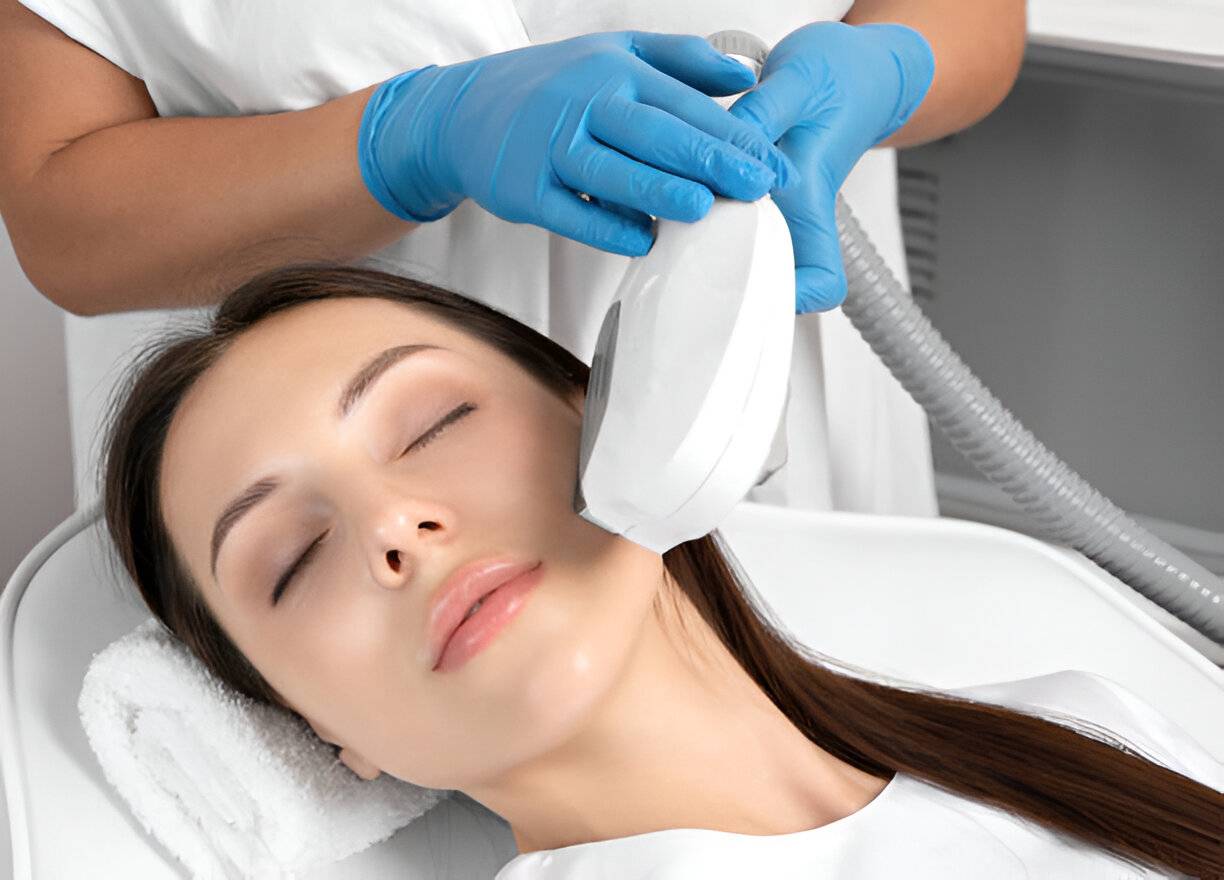
IPL (Intense Pulsed Light) Photofacial is a non-invasive, skin rejuvenation treatment that uses light energy to target and correct a variety of skin concerns. During the procedure, high-intensity pulses of light are delivered to the skin, which penetrate deep into the layers and stimulate collagen production. This helps improve skin texture, tone, and appearance. IPL photofacials are particularly effective for addressing issues such as sun damage, age spots, redness, and overall skin dullness, leaving your skin looking more youthful and radiant.
As we age or are exposed to environmental factors like sun and pollution, the skin begins to show signs of wear and tear. IPL photofacials can help reverse some of this damage by targeting specific skin concerns, such as:
- Sun Damage: Prolonged sun exposure can lead to sun spots, freckles, and uneven skin tone. IPL treatment targets and diminishes these issues, giving your skin a more even appearance.
- Age Spots and Hyperpigmentation: These skin concerns, often a result of aging or genetics, can make the skin look dull and uneven. IPL works by breaking down pigmentation in the skin, reducing discoloration and promoting a more uniform complexion.
- Rosacea and Redness: IPL can help reduce redness caused by conditions like rosacea, broken capillaries, or general skin irritation by targeting blood vessels beneath the skin.
- Fine Lines and Wrinkles: Although not as intense as laser treatments, IPL can stimulate collagen production, which helps smooth out fine lines and wrinkles for a youthful appearance.
- Acne and Acne Scarring: IPL can also be used to target acne-causing bacteria and reduce the appearance of acne scars, providing clearer and smoother skin.
IPL photofacial treatments are versatile and can help treat a wide range of skin concerns. Some common symptoms that IPL can address include:
- Uneven Skin Tone: Dull, uneven skin tone caused by pigmentation, sun damage, or age spots can be improved with IPL, creating a balanced, more radiant complexion.
- Redness and Rosacea: IPL helps reduce the appearance of redness in the skin caused by conditions such as rosacea or broken capillaries.
- Sun Spots and Freckles: IPL targets pigmentation in the skin and helps fade sun spots and freckles, leaving the skin looking more even and youthful.
- Fine Lines and Wrinkles: While IPL is not a substitute for more invasive treatments, it can help stimulate collagen production, leading to smoother, firmer skin.
- Enlarged Pores: By improving skin texture and promoting collagen production, IPL can also help reduce the appearance of enlarged pores.
- Acne: IPL can be effective in treating acne by targeting the bacteria that cause breakouts and reducing inflammation in the skin.
The IPL photofacial treatment works by emitting intense pulses of light onto the skin. These light pulses are absorbed by the skin’s pigment and vascular components. The light targets specific skin concerns such as discoloration, redness, and sun damage. The heat from the light breaks down excess pigment and stimulates collagen production, leading to healthier, firmer skin over time.
Here’s a quick look at the steps involved in an IPL photofacial:
- Light Energy Delivery: The IPL device emits broad-spectrum light to the targeted areas of your skin.
- Pigment and Redness Reduction: The light is absorbed by areas of the skin with excess pigment (e.g., age spots or sunspots) or blood vessels (e.g., redness from rosacea), breaking them down over time.
- Collagen Stimulation: The heat generated by the light stimulates collagen production beneath the skin’s surface, leading to firmer, smoother skin.
- Gradual Results: Over the course of several weeks, as the skin heals, you’ll notice clearer, more even skin tone and texture.
At our clinic, we strive to provide a personalized, comfortable experience for each client. Here’s what you can expect when you choose our IPL photofacial treatment:
- Consultation: We start with an in-depth consultation where we discuss your skin concerns, goals, and medical history. Our skincare experts will evaluate your skin type and create a customized treatment plan to address your needs.
- Preparation: On the day of your treatment, the targeted area will be cleansed, and protective eyewear will be provided to shield your eyes from the light. A cooling gel may be applied to your skin to enhance comfort.
- IPL Treatment: The IPL device will be gently passed over the targeted areas of your skin. The light energy will be delivered in pulses, targeting pigmentation, redness, and other skin imperfections. The treatment is relatively quick, usually lasting between 20 to 30 minutes, depending on the areas treated.
- Aftercare: After the treatment, you may notice mild redness or slight swelling, which typically resolves within a few hours. We’ll provide you with aftercare instructions, which include sun protection and moisturizing, to help optimize your results.
- Follow-Up: Most people see noticeable improvement in their skin tone and texture after a few sessions. Multiple treatments may be recommended for more dramatic results, especially for deeper skin concerns. We’ll track your progress and recommend any necessary follow-up treatments.
Advanced Peeling Treatments: Reveal Your Skin’s True Radiance
Peeling treatments are among the most popular skincare procedures due to their effectiveness, safety for all skin types, and affordability. They offer a range of benefits and can address various skin concerns with minimal downtime.
What is Peeling Treatment?
Peeling treatments involve applying specially formulated exfoliating solutions to the skin. These solutions gently remove the outer layer of dead skin cells, revealing a fresher, more youthful layer underneath. Advanced peels also penetrate deeper into the skin, stimulating collagen production and tightening the skin for a smoother, more even appearance.
At Skinesse Clinic, our dermatologists use a range of high-quality peeling agents tailored to your specific skin needs. Our goal is to enhance your skin’s texture and radiance while addressing your unique concerns.
Types of Peels We Use
We offer a variety of peels, each designed to target different skin issues:
- Glycolic Peels: Great for exfoliating and brightening dull skin.
- Lactic Peels: Ideal for hydrating and smoothing rough skin.
- Salicylic Peels: Effective for treating acne and reducing oiliness.
- Mandelic Peels: Suitable for sensitive skin and uneven pigmentation.
- Citric Peels: Known for their antioxidant benefits and brightening effects.
- Phytic Peels: Useful for overall skin rejuvenation and texture improvement.
Our advanced peels include premium options like Cosmelan and Dermamelan, which offer outstanding results for skin concerns such as acne, pigmentation, and dullness.
What Skin Concerns Can Peels Address?
Peeling treatments can help with a variety of skin issues, including:
- Acne: Reduces breakouts and improves skin texture.
- Acne Marks: Fades post-acne discoloration.
- Tanning: Lightens sun-induced pigmentation.
- Uneven & Dull Skin: Brightens and evens out skin tone.
- Skin Pigmentation: Targets dark spots and uneven pigmentation.
- Under Eye Dark Circles: Helps to lighten and rejuvenate the under-eye area.
- Fine Lines & Wrinkles: Smooths out fine lines and stimulates collagen production.
Post-Treatment Care
Proper aftercare is crucial to achieving the best results from your peeling treatment. Here’s what you need to do:
- Sunscreen: Apply a broad-spectrum sunscreen with at least SPF 30 daily, even before your treatment and continue afterward. This protects your new skin and enhances results.
- Gentle Skincare: Follow the home care regimen prescribed by our dermatologists. This will support healing and ensure you get the most out of your treatment.