Unwanted Hair (Hirsutism)
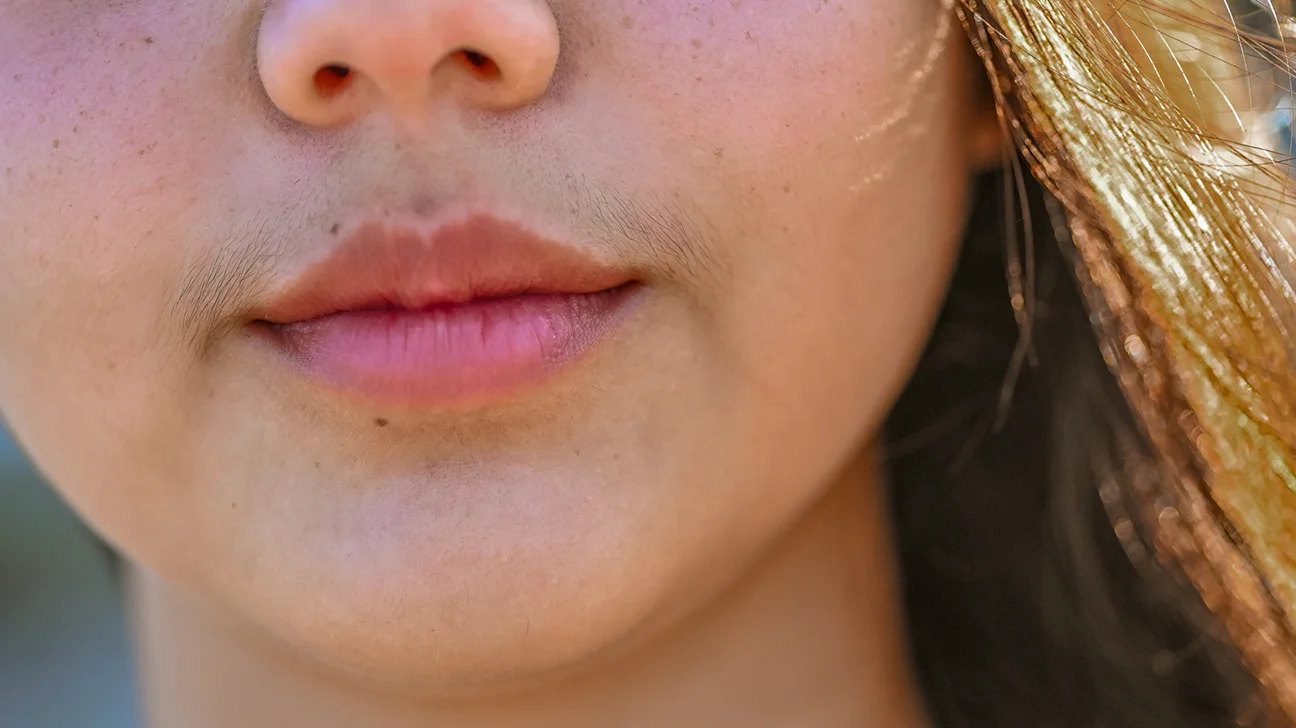
Hirsutism refers to the excessive growth of dark, coarse hair in areas where women typically have minimal hair, such as the face, chest, back, or abdomen. This condition is driven by an increase in male hormones called androgens or an over-sensitivity of hair follicles to these hormones. Hirsutism affects many women and can cause distress, affecting self-esteem and confidence.
Hirsutism is often caused by hormonal imbalances. Common causes include:
- Polycystic Ovary Syndrome (PCOS): One of the most common causes of hirsutism, PCOS leads to an overproduction of androgens.
- Genetics: Family history plays a role in some cases. If female relatives also experience excessive hair growth, it could be inherited.
- Adrenal Gland Disorders: Conditions such as adrenal hyperplasia or tumors can cause an excess production of androgens.
- Certain Medications: Some medications, like anabolic steroids or corticosteroids, may lead to increased hair growth.
- Obesity: Excess weight can cause hormonal imbalances that exacerbate hirsutism.
The primary symptom of hirsutism is the excessive growth of dark, coarse hair in areas where women typically don’t have significant hair. Other symptoms may include:
- Irregular Menstrual Cycles: Hormonal imbalances often lead to menstrual irregularities.
- Acne or Oily Skin: Increased androgen levels can lead to acne or seborrhea.
- Deeper Voice and Balding: In severe cases, some women may experience additional male-pattern features like voice deepening and scalp hair thinning.
At our clinic, we take a comprehensive approach to treating unwanted hair (hirsutism), focusing on both the underlying causes and the cosmetic impact. Treatment usually involves a combination of hormonal therapy, lifestyle changes, and hair removal techniques.
- Hormonal Treatment: If a hormonal imbalance is causing hirsutism, we may recommend medications such as oral contraceptives or anti-androgens to reduce androgen production and hair growth.
- Lifestyle Modifications: Managing weight and improving diet can help balance hormone levels, particularly for those with conditions like PCOS.
- Hair Removal Techniques: Laser hair removal, electrolysis, and other hair-reduction methods are effective ways to manage the cosmetic appearance of hirsutism.
- Initial Consultation: We begin with an in-depth consultation to understand your symptoms, medical history, and lifestyle. This helps us identify the potential cause of hirsutism.
- Diagnosis: Based on your symptoms, we may conduct hormonal tests or imaging to determine the underlying cause, such as PCOS or adrenal issues.
- Customized Treatment Plan: We create a tailored treatment plan to manage unwanted hair growth and address the root cause. This may include a combination of hormone therapy and advanced hair removal techniques.
- Hair Removal Procedures: Depending on the severity of the hair growth, we offer laser hair removal, electrolysis, or other methods to reduce hair growth permanently.
- Ongoing Monitoring and Adjustments: As your treatment progresses, we monitor your response and make any necessary adjustments to ensure optimal results.
Understanding and Managing Unwanted Hair (Hirsutism)
In today’s world, where appearance is often emphasized, many people find themselves concerned about unwanted hair. With the rise of social media and a focus on beauty, it’s no surprise that issues like excessive hair growth can affect self-esteem and social interactions.
Unwanted hair can be anything from common body hair, like underarm or upper lip hair, to more concerning conditions like hirsutism.
What is Hirsutism?
Hirsutism is a condition where women develop thick, dark hair in areas typically associated with male-pattern hair growth, such as the face, neck, chest, arms, abdomen, back, and thighs. This excessive hair growth is often due to hormonal imbalances.
The modern lifestyle—characterized by sedentary habits, long working hours, lack of exercise, and unhealthy eating—has contributed to an increase in hirsutism cases. This condition can have a significant impact on a woman’s self-image and sense of femininity.
Hirsutism can be linked to several factors:
- Genetics: Sometimes, it runs in families.
- Hormonal Imbalances: Conditions like Polycystic Ovary Syndrome (PCOS), hormone-secreting tumors, or excess androgens (male hormones) can lead to hirsutism.
How to Manage Unwanted Hair
One of the most effective and permanent solutions for unwanted hair is Laser Hair Removal. Here’s why it might be the right choice for you:
- Permanent Hair Reduction: Laser hair removal offers a long-lasting solution by targeting the hair follicles and reducing hair growth significantly.
- High Safety Profile: It is considered very safe, with minimal side effects.
- Comfortable: It’s generally more comfortable and less painful compared to traditional hair removal methods like waxing or threading.
- Proven Effectiveness: Supported by extensive medical studies, laser hair removal has shown excellent results across various body parts and for all genders.
At Skinesse Clinic, we use advanced laser technology to help you achieve smoother skin and boost your confidence. If you’re struggling with unwanted hair, we’re here to offer a tailored approach to address your concerns and improve your quality of life.