Dandruff
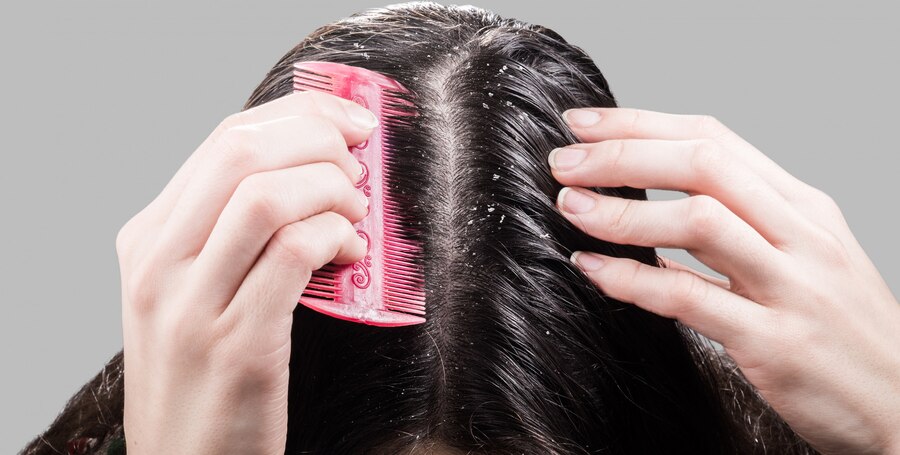
Dandruff is a common scalp condition characterized by the shedding of dead skin cells from the scalp. While it is a harmless condition, it can be a source of discomfort and embarrassment for those affected. Dandruff often appears as white or yellowish flakes on the scalp and can sometimes extend to the shoulders and clothing. It is not contagious, but it can be persistent and may require treatment to manage the symptoms effectively.
Dandruff can be caused by various factors, including:
- Dry Skin: Dry, flaky skin is a common cause of dandruff, particularly during colder months when indoor heating can dry out the skin.
- Oily Scalp: Excessive oil production on the scalp can lead to a buildup of dead skin cells, which then form dandruff.
- Malassezia: This naturally occurring fungus lives on most people’s scalps. However, when it grows uncontrollably, it can cause irritation and trigger an increase in skin cell turnover, resulting in dandruff.
- Sensitivity to Hair Products: Some people may develop dandruff as a result of using certain hair care products. This condition is known as contact dermatitis and can cause an itchy, flaky scalp.
- Skin Conditions: Conditions such as psoriasis, eczema, or seborrheic dermatitis can also contribute to dandruff.
The most common signs and symptoms of dandruff include:
- Flakes: Visible white or yellowish flakes of dead skin appearing on the scalp, hair, and shoulders.
- Itchy Scalp: Persistent itching, which can become more pronounced when the scalp is dry or oily.
- Scalp Irritation: Redness or irritation on the scalp, especially in severe cases.
- Oily Patches: For those with seborrheic dermatitis, oily patches on the scalp may also appear alongside dandruff flakes.
- Personalized Consultation: Our experts conduct a thorough assessment to identify the underlying cause of your dandruff and tailor a treatment plan suited to your needs.
- Advanced Scalp Treatments: We offer scalp treatments using high-quality, medicated products that target dandruff-causing factors, including fungal overgrowth, oil buildup, or dryness.
- Hydration and Nourishment: We focus on rebalancing the scalp’s moisture levels with specialized treatments that hydrate and nourish the scalp, reducing dryness and flakiness.
- Customized Hair Care Regimen: Our team will recommend a daily hair care routine using products that are gentle on your scalp, free from harsh chemicals, and suited to your hair type.
- Follow-up Care: We believe in ongoing support and offer follow-up consultations to ensure your dandruff is effectively managed over time.
- Scalp Analysis: We start with a detailed scalp analysis to understand the condition and severity of dandruff.
- Customized Treatment: Based on your scalp condition, we provide tailored treatment solutions, including anti-dandruff shampoos, exfoliating treatments, and soothing serums.
- Exfoliation: Removing dead skin cells is essential to treating dandruff. Our experts perform gentle scalp exfoliation to clear away flakes and prepare the scalp for treatment.
- Medicated Treatments: For severe cases, we may recommend medicated products designed to reduce fungal overgrowth and rebalance oil production.
- Aftercare Plan: Finally, we provide an aftercare plan, including tips on maintaining scalp health and avoiding potential dandruff triggers.
Understanding and Treating Dandruff
Dandruff is a common scalp condition that appears as white flakes on your hair and shoulders. While it might seem like a minor inconvenience, it can sometimes be more than just an annoyance. Persistent flakes can affect your choice of clothing and lead to itching, which can be quite irritating.
The primary cause of dandruff is a fungus called Malassezia. This fungus is normally present on our scalp, but when it overgrows, it can trigger a reaction that leads to dandruff. Malassezia thrives in the oil glands of the scalp and can also affect other oily areas of the body, like the ears, eyebrows, beard, chest, underarms, back, and groin.
In more severe cases, dandruff can escalate into a condition known as Seborrheic Dermatitis. This involves yellowish, greasy flakes on the scalp accompanied by itching, redness, and even tiny boils. Seborrheic Dermatitis can affect other parts of the body in addition to the scalp.
Factors That Can Aggravate Dandruff
- Winter Weather: Dry air can exacerbate dandruff.
- Hard Water: Mineral-rich water can irritate the scalp.
- Stress: High stress levels can worsen dandruff.
- Excessive Use of Hair Products: Overuse of styling products can lead to buildup and irritation.
- Poor Scalp Hygiene: Irregular washing can contribute to dandruff.
- Nutritional Deficiencies: Lack of certain nutrients can impact scalp health.
- Hormonal Imbalances: Conditions like PCOS can influence dandruff.
How to Treat Dandruff
While there’s no permanent cure for dandruff, there are many effective treatments to manage and control it. Here’s what you can do at home:
- Keep Your Scalp Clean: Regular washing helps remove flakes and excess oil.
- Use Gentle Shampoos: Choose shampoos specifically designed for dandruff or sensitive scalps.
- Avoid Oiling Your Scalp: Excess oil can exacerbate the problem.
- Don’t Scratch: Scratching can irritate the scalp further.
- Manage Stress: Reducing stress can help improve your scalp condition.
- Maintain a Balanced Diet: Eating a nutritious diet supports overall scalp health.