Hair Loss (Baldness)
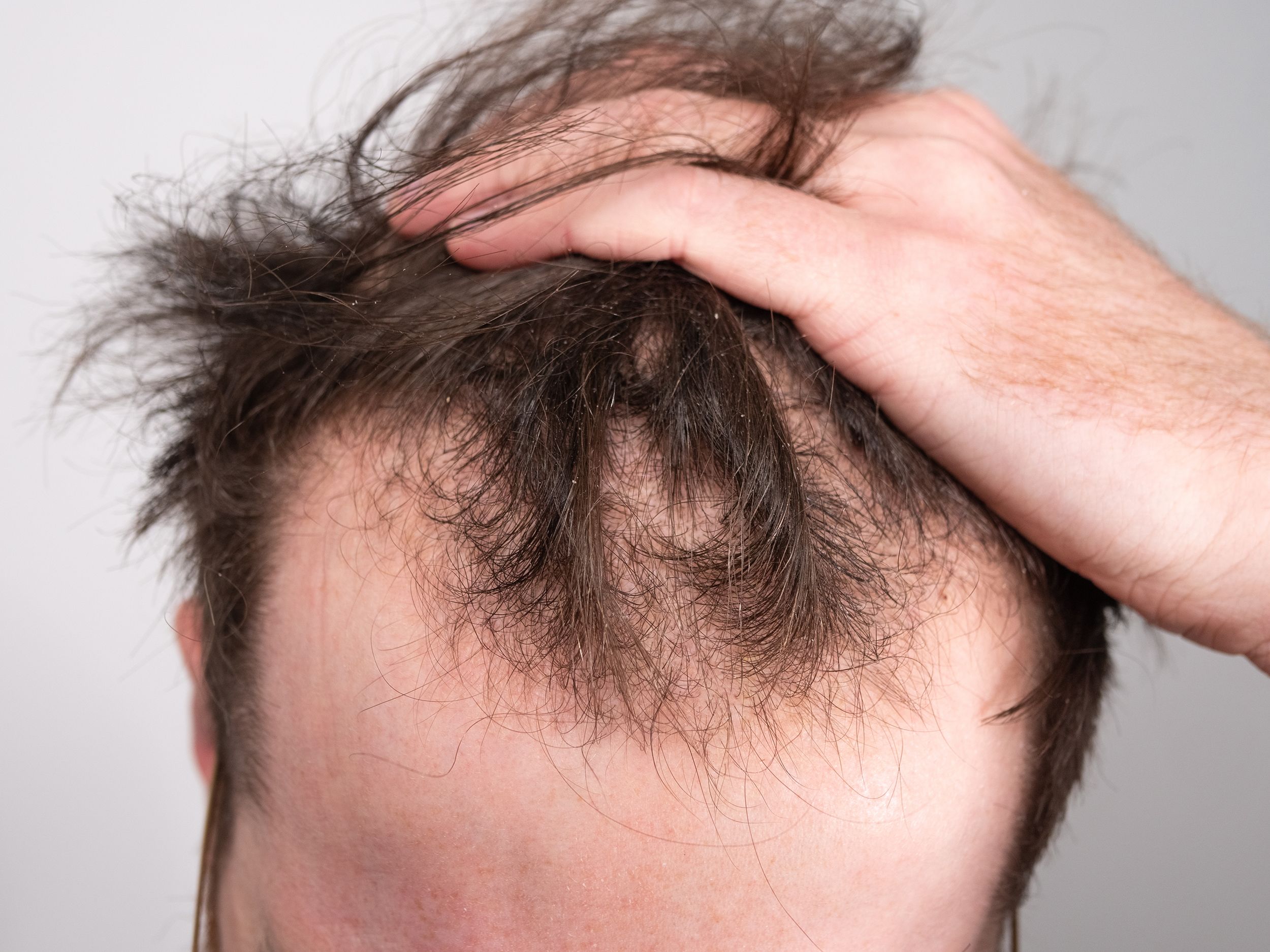
Hair loss, or alopecia, refers to the partial or complete loss of hair from the scalp or other areas of the body. While some degree of hair shedding is normal, excessive hair loss can lead to noticeable thinning or bald patches, affecting self-esteem and confidence. Hair loss can occur due to various factors, and it can affect individuals of all ages and genders.
Hair loss can result from multiple factors, including:
- Genetics: Hereditary hair loss, known as androgenetic alopecia, is the most common cause and often manifests as thinning hair or baldness.
- Hormonal Changes: Fluctuations in hormones due to pregnancy, menopause, or thyroid imbalances can lead to hair loss.
- Medical Conditions: Conditions such as alopecia areata (an autoimmune disorder), scalp infections, and certain diseases can cause hair loss.
- Nutritional Deficiencies: Inadequate intake of essential nutrients like iron, vitamin D, and proteins can weaken hair and contribute to loss.
- Stress: Physical or emotional stress can trigger temporary hair loss, often referred to as telogen effluvium.
- Hair Treatments: Excessive use of harsh hair products, heat styling tools, or tight hairstyles can damage hair and lead to breakage and loss.
Symptoms of hair loss may vary, but common signs include:
- Thinning Hair: A noticeable reduction in hair density, particularly on the crown or temples.
- Bald Patches: Circular or irregular areas of hair loss on the scalp or body.
- Excessive Shedding: Increased hair strands on pillows, in the shower, or during brushing.
- Change in Hair Texture: Hair may become brittle, dry, or coarse, making it more susceptible to breakage.
Addressing hair loss begins with a comprehensive evaluation to identify the underlying causes. Consulting with a qualified healthcare professional is crucial for determining appropriate treatment options. The approach may involve lifestyle modifications, medical interventions, and ongoing support.
At our clinic, we follow a structured process for treating hair loss:
- Initial Consultation: We start with a detailed discussion about your hair loss concerns, medical history, and relevant lifestyle factors.
- Scalp and Hair Assessment: Our specialists perform a thorough examination of your scalp and hair to evaluate the extent and type of hair loss.
- Diagnostic Testing: If necessary, we may recommend blood tests or scalp biopsies to identify underlying conditions or deficiencies.
- Personalized Treatment Plan: Based on our findings, we develop a customized treatment plan that may include:
- Topical Treatments: Minoxidil and other formulations to stimulate hair growth and improve density.
- Oral Medications: Finasteride or other prescriptions that address hormonal imbalances.
- Nutritional Guidance: Recommendations for dietary changes or supplements to combat deficiencies.
- Hair Restoration Procedures: Options such as PRP (platelet-rich plasma) therapy or hair transplant surgery for advanced cases.
- Ongoing Monitoring: We schedule follow-up appointments to track your progress and make any necessary adjustments to your treatment plan.
- Patient Education: We provide guidance on proper hair care practices, stress management techniques, and lifestyle changes to support hair health.
Understanding Hair Loss and Its Treatment
Did you know the average scalp has about 100,000 hairs? Losing around 100 hairs a day is perfectly normal, as they’re usually replaced by new growth. However, when hair loss exceeds this rate and new hair doesn’t replace the lost strands, it can lead to baldness or thinning.
Hair loss can affect both men and women as they age, and it’s influenced by genetics, hormonal changes, and other factors. Baldness tends to be more noticeable in men, primarily due to higher levels of testosterone, which can impact hair growth.
Here’s a breakdown of the primary causes of hair loss:
1. Male Pattern Hair Loss (MPHL)
Male pattern hair loss, or androgenetic alopecia, is the most common type of hair loss in men. It often begins at the temples or crown and gradually leads to a receding hairline or bald spot on the top of the head. This condition is linked to the conversion of testosterone into dihydrotestosterone (DHT), which shortens the hair growth cycle and leads to thinning hair and eventual baldness.
2. Female Pattern Hair Loss (FPHL)
Women typically experience hair loss differently than men. Instead of distinct bald spots, women often notice overall thinning or widening of the part in their hair. Complete baldness is rare due to lower levels of male hormones.
3. Alopecia Areata (AA)
Alopecia areata causes sudden, patchy hair loss, most commonly on the scalp but potentially affecting any hair-bearing area. It’s an autoimmune disorder where the immune system mistakenly attacks hair follicles. Although it can occur at any age, including childhood, it often causes significant emotional stress.
4. Other Causes of Hair Loss
Fungal Infections: Ringworm of the scalp can cause pus-filled, swollen areas. This highly contagious infection is especially common in children and requires oral medication. Without treatment, it can lead to permanent bald patches.
Trichotillomania: This condition involves a compulsive urge to pull out one’s own hair, which can affect the scalp, eyelashes, eyebrows, or other areas.
Scarring Alopecia: This rare form of hair loss occurs when diseases destroy hair follicles, leading to permanent hair loss. Conditions such as Folliculitis decalvans, chronic cutaneous lupus, and lichen planopilaris can cause scarring alopecia.
How We Treat Hair Loss
At our clinic, Dr. Rahul Patil, a leading dermatologist, specializes in managing hair loss and related disorders. Our approach involves a comprehensive evaluation, including detailed history, lifestyle, and dietary habits, followed by a thorough scalp analysis and necessary blood tests.
Our treatment plan includes:
Home Therapy: Utilizing cyclical nutrition and topical solutions.
Dietary Improvements: Adjusting diet is an integral part of our treatment approach.
Non-Surgical Therapies:
- LLLT (Low-Level Laser Therapy): This FDA-approved treatment improves hair thickness and reduces hair fall.
- Micro-Needling: This technique stimulates hair follicles to promote new growth.
- Mesotherapy: Involves injecting a special cocktail of amino acids, growth factors, and vitamins into the scalp to encourage hair regrowth.