Brain Surgery
Brain Surgery - Dr. Pravin Ganjre
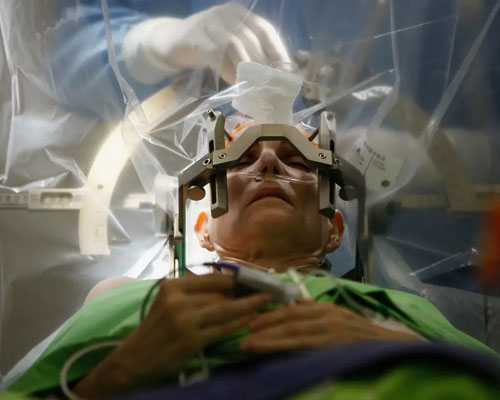
Brain surgery involves different procedures to repair the structural problems of the brain. Different types of brain surgeries are performed depending on the affected area and condition of the brain. Advanced technologies in the medical field allow brain surgeons to operate on any portion of the brain without an incision in or near the head.
Brain surgery is one of the most specialized and delicate branches in the field of medicine. Due to the of advances in the instrumentation and better-developed infrastructure, it is quite safe and has excellent results. These surgical procedures are no more prolonged operations and now we have far better anaesthetic agents available. Brain tumour means growth in the Brain or in the cranial compartment. These tumours can be completely excised. These tumours can occur in any part of the Brain and surgeons can reach all these tumours for its excision.
Blood clots can occur in the Brain and it requires immediate removal or evacuation by surgery which can be done on an emergency basis. The water content in the Brain can increase because of various reasons and shunt procedures are routinely done to overcome this problem, especially in children. Some children are born with abnormalities of the head and Brain, there are many corrective procedures which are necessary at that early age for a child’s normal growth.
The stereotactic procedures now are routinely performed, especially for small lesions of the Brain. The incision is very small and sometimes these procedures are done under local anaesthesia. In the case of head injuries, surgery is needed if there is a fractured skull, or blood clot in and around the brain. Recovery from anaesthesia is almost immediate, patients can eat and drink within a few hours after surgery. After brain surgery, the person needs a short stay in the hospital and within a few weeks can resume his /her job.
⭐ Treatment of Brain Tumour:
Surgery is the first and most common treatment for most patients with brain tumors. It is highly successful for most benign tumours. Surgery is usually the best treatment for tumors that neurosurgeons can reach without severely damaging normal brain tissue near the tumor.
Neurosurgeons can surgically remove some tumors completely (called resection or complete removal). If the tumor is near sensitive areas of the brain, neurosurgeons will only be able to remove part of it (called partial removal). Even partial removal can relieve symptoms and facilitate or increase the effectiveness of other treatments.
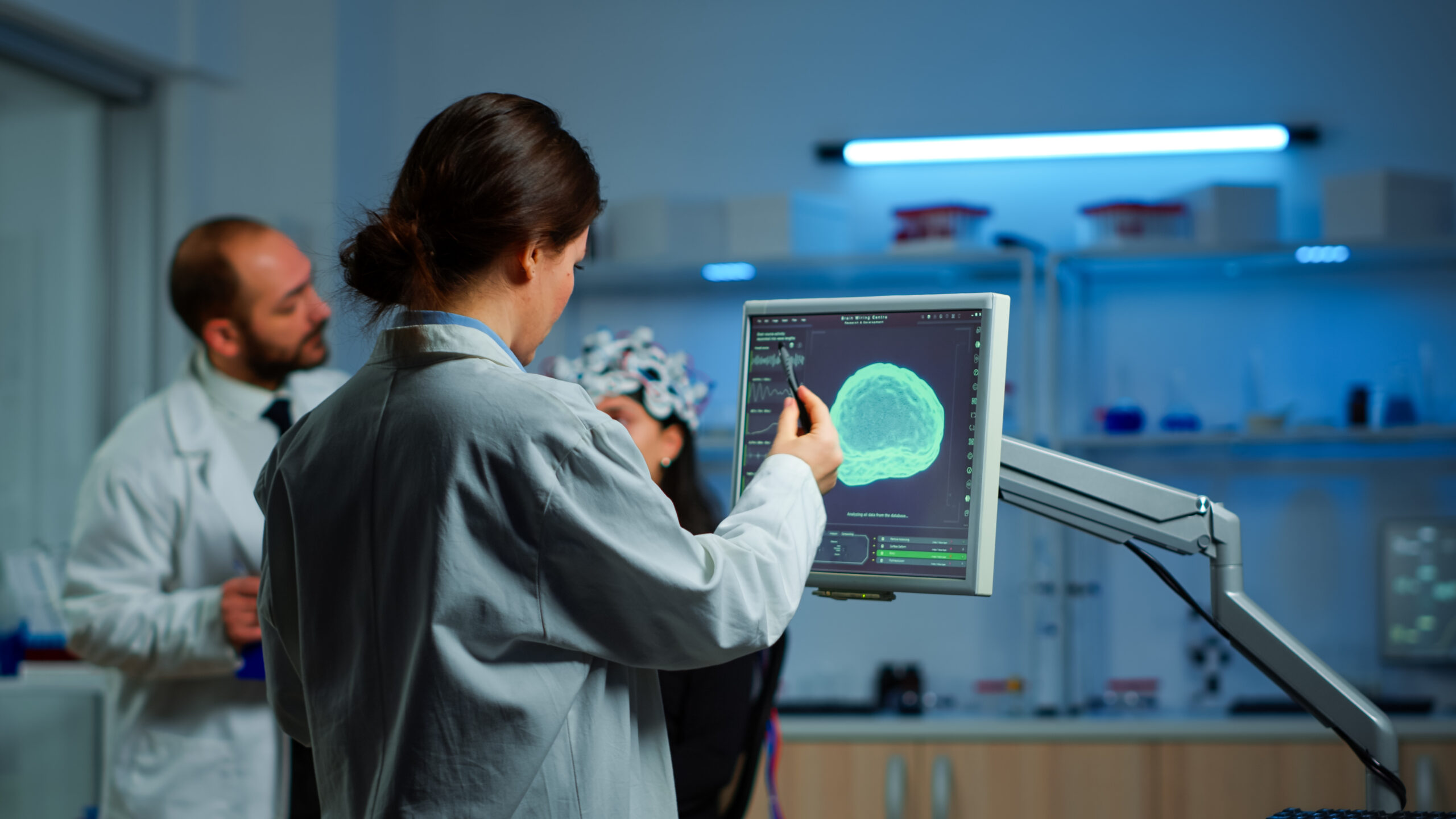
A biopsy is a surgical procedure to remove a small sample of a brain tumor for examination under a microscope — is usually performed during surgery to remove the tumor. This enables doctors to confirm the diagnosis and recommend the most appropriate treatment. If the patient is not a surgical candidate, a separate biopsy may be done.
⭐ The role of surgery in treating brain tumours Surgery can provide:
The complete removal of some brain tumors
- A sample to enable doctors to diagnosis the tumor and recommend the most appropriate treatment
- Better quality of life:
– Reduced symptoms and improved ability to function (e.g., to think, speak or see better)
– Less pressure within the skull from the tumor
- A longer life
⭐ Types of Brain Tumour Surgery
Surgery is one type of treatment for brain tumors. The most common types of surgery are:
- Biopsy
- Craniotomy
- Extended bifrontal craniotomy
- “Eyebrow” craniotomy (supra-orbital craniotomy)
- “Keyhole” craniotomy (retro-sigmoid craniotomy)
- Orbitozygomatic craniotomy
- Translabyrinthine craniotomy
- Endonasal endoscopy (endonasal endoscopic surgery)
- Neuroendoscopy
Brain surgery includes several specialized procedures depending on the condition being treated. Common types include craniotomy, where a part of the skull is temporarily removed to access the brain; endoscopic brain surgery, which uses small instruments and cameras through tiny openings; stereotactic surgery, guided by 3D imaging for precise targeting; awake brain surgery, performed when monitoring speech or movement is required; and minimally invasive keyhole surgery for selected tumors or cysts.
According to Dr. Pravin Ganjre, choosing the right type of brain surgery depends on tumor location, size, neurological involvement, and overall patient health, which is a key approach followed by the best neurosurgeon in Pune.
Brain surgery, like any major procedure, carries certain risks. These may include infection, bleeding, blood clots, swelling of the brain, seizures, or temporary or permanent changes in speech, memory, vision, or movement. Some patients may also experience anesthesia-related complications.
Dr. Pravin Ganjre explains that modern imaging, surgical planning, and post-operative monitoring significantly reduce risks when surgery is performed by an experienced Spine Surgeon in Pune with advanced neurosurgical training.
Brain tumors develop due to abnormal growth of brain cells, but in most cases, the exact cause is unknown. Factors such as genetic mutations, family history, exposure to high-dose radiation, and certain inherited conditions may increase risk. Brain tumors can be primary (originating in the brain) or secondary (spreading from other organs).
As noted by Dr. Pravin Ganjre, early diagnosis and proper evaluation play a crucial role in outcomes, especially when managed by the best neurosurgeon in Pune using evidence-based treatment protocols.
The curability of brain tumors depends on several factors, including tumor type (benign or malignant), size, location, growth rate, and response to treatment. Many benign brain tumors can be successfully treated with surgery alone, while malignant tumors may require a combination of surgery, radiation therapy, and chemotherapy.
Dr. Pravin Ganjre emphasizes that individualized treatment planning and long-term follow-up improve survival and quality of life, an approach commonly adopted by a skilled Spine Surgeon in Pune involved in neuro-oncology care.
Side effects after brain surgery vary from patient to patient. Common short-term effects include headache, fatigue, nausea, swelling, and temporary neurological weakness. Some patients may experience speech or balance issues, which often improve with rehabilitation and time. Long-term effects depend on the brain area involved and extent of surgery.
According to Dr. Pravin Ganjre, structured post-surgical rehabilitation and neurological monitoring are essential for recovery, especially when guided by the best neurosurgeon in Pune following standard clinical care pathways.